


Offering Yourself Compassion
Why offer yourself self-compassion?
In response to that question, ask, “Why not offer yourself self-compassion?” Why withhold something from yourself that is positive, wholesome, and beneficial? If something has those qualities, do you think it would be good to utilize it in your own life?
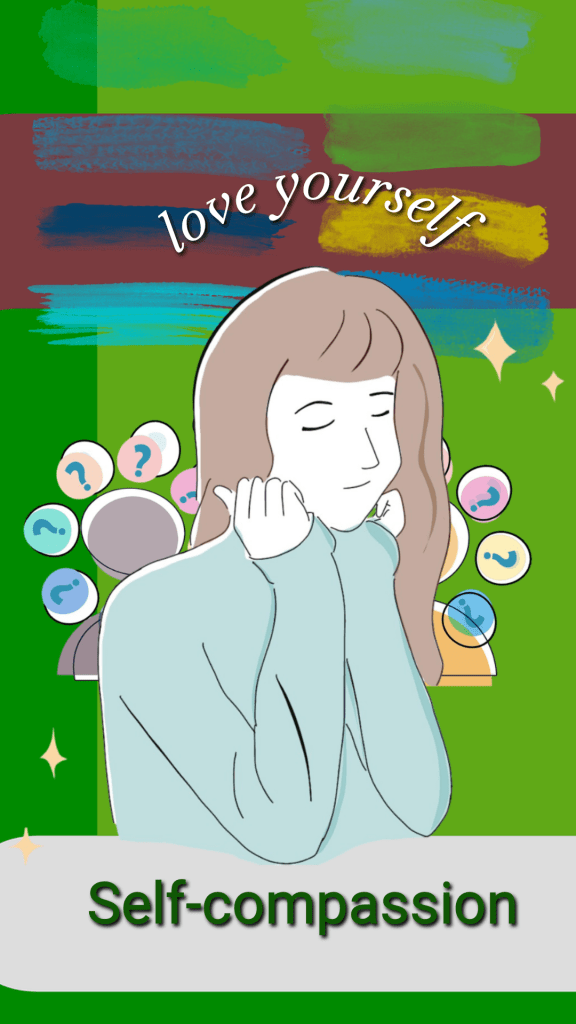
Okay, so that’s a point. But what is self-compassion anyway? Self-compassion has to do with being understanding towards yourself and offering yourself kindness, just as you would to a close or dear friend. It’s giving yourself the support you need to advise yourself with positive thoughts and emotions. Providing yourself with self-compassion sets you in a different mind frame from self-doubt, self-criticism, self-depreciation, and self-excuse.
You might ask, “Isn’t self-compassion more along the lines of giving yourself excuses?”
No, the two are not the same. Self-compassion is defined as the practice of treating yourself with kindness and understanding, especially during challenging moments. It involves recognizing one’s difficulties and responding to them with care rather than self-criticism.
One way to understand self-compassion is to think of mistakes as being a situation from which you can learn something.
Self-pity vs. Self-compassion
Self-compassion is not self-pity and making self-excuses, but rather, it is proactively acknowledging and valuing your emotional and physical well-being, happiness, and transforming negative thought patterns, attitudes, emotions and behaviors into positive ones.
Self-pity and self-excuse is enabling yourself to remain in the same negative mindset; whereas, self-compassion is engaging a positive mindset and kindness towards yourself that enables you to move forward, taking positive, proactive, progressive steps.
Self-compassion is recognizing that there can be inadequacies and challenges in the human experience. Self-compassion is not putting yourself down, but being mindful to maintain an awareness of negative emotions and not applying them to your self-perception.
In life, you might experience setbacks, have felt discouraged, or unprepared, but calling yourself a “failure” only serves to increase feelings of self-depreciation and discouragement, which contribute to hindering progress and can negatively impact mental well-being. Negative self-talk does not promote a growth mindset. It’s beneficial to mental well-being to develop constructive, positive self-talk and self-perception.
Changing one’s thought pattern leads to changing one’s situation. You can begin to develop more self-compassion and self-appreciation with “Love Letters to Myself: The Wonderfulness of Me Journal” in a journey of self-discovery, in awareness and inner healing.

Benefits of Self-compassion
Three benefits of self-compassion include:
1. Enhancing emotional resilience
2. Reducing stress and depression
3. Promoting overall well-being and life satisfaction
Developing a positive mindset of understanding that every mistake can help you to learn and grow, setbacks are temporary, and finding solutions can help you to move forward with better understanding and awareness. Maintaining self-compassion helps you to treat yourself with kindness, respect, and understanding that you are worthy of love and respect regardless of the outcome of the situation.
What About Feeling Stuck?
Maintaining good time management, positive self-talk and self-healing, taking timely relevant actions, staying focused, and engaging in meditation regularly can help you to proactively progress towards your goals and help you move past feeling stuck.
Meditation
Meditation is a way of de-stressing your mind, body and relaxing that can be done regularly. Sit quietly, comfortably, and do the meditation.
Take three deep calming, cleansing breaths.
Relax. Breathe in slowly, breathing in calm and relaxation.
Breathe out slowly, releasing feelings of anxiety and stress.
Breathe easily, relax, relax.
Breathe out slowly feeling tension being released from your mind and muscles. You feel calm, no bombarding thoughts.
Breathe in self-compassion.
Exhale slowly releasing negative self-concepts.
Breathe easily feeling a deep sense of relaxation and peace.
Affirmation
Say the following affirmation aloud with a positive feeling of intention. Repeat the affirmation at least two times. Fill in the blank with whatever you’re feeling stuck or confused about.
I refuse to feel stuck about blank.
I refuse to have a frame of thought and mindset of feeling stuck or confused. I have a positive mindset for a good outcome and relevant solutions are happening for me now. I take proactive, positive action.
Self-compassion Exercise
Self-compassion is offering yourself the same advice, understanding, and kindness to yourself that you would offer a friend.
Write down the situation you need to have self-compassion toward. Write about the challenge you felt in that moment, in that situation, and the choice you made. Why did you make that choice?
Write about what advice you would give a friend you truly cared about if they were in that situation. Apply understanding, kindness, and self-compassion to yourself regarding the situation you experienced. Is there any beneficial advice you can give yourself or would have given yourself in the area you need it or need it now?
Explore greater self-awareness, self-appreciation, journaling experience in responding to journal prompts, and writing love letters to yourself in, “Love Letters to Myself: The Wonderfulness of Me Journal.”

This journal is a good way to begin practicing self-compassion. It makes an excellent gift at any time.
 Upward Tips